What to Know About the Recent US Government Shutdown
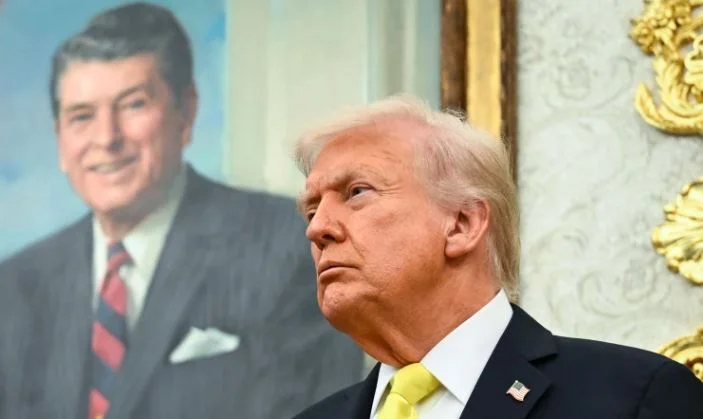
At 8:03 p.m. on November 12, President Donald Trump signed a short, three-page bill ending the longest federal shutdown in U.S. history—43 days after it began. The shutdown cost the economy an estimated $14 billion in lost wages, furloughed 670,000 federal workers, and disrupted critical services ranging from food-safety inspections to cancer-trial enrollments. While the compromise reopened the government, it only delayed the next showdown to January 30, 2026, meaning the fallout of October and November will continue to ripple through the holidays and into the new year.
This article dives deep into what happened, who was affected, and why the truce may be temporary.
How It Started: September Warning Signs
The shutdown began with escalating disagreements in Congress over federal spending and policy priorities. On September 27, House GOP leadership unveiled a “clean” Continuing Resolution (CR) to freeze 2025 discretionary spending at $1.590 trillion through December 13. The bill removed $12 billion in earmarks approved by the previous Congress and excluded the extension of enhanced Affordable Care Act (ACA) subsidies, which were set to expire on November 30. Members of the Freedom Caucus demanded inclusion of the “Secure the Border Act,” a measure that would resume construction of 234 miles of steel fencing along the southern border and reinstate the Trump-era Remain-in-Mexico program. Moderate Republicans balked at these additional requirements, leaving the CR nine votes short of passage.
Senate Democrats Draw a Red Line
The next day, Senate Democrats drew a clear red line. Senate Majority Leader John Thune (R-SD) needed 60 votes to overcome a filibuster. Minority Whip Dick Durbin (D-IL) circulated a letter signed by 48 of 51 Democrats pledging to oppose any CR that did not extend ACA subsidies, warning that premiums for 3.7 million middle-income families could increase by 53% on January 1. Senator Joe Manchin (I-WV) refused to sign, demanding additional permitting reforms for the Mountain Valley Pipeline. With demands from both parties colliding, the CR became trapped in a deadlock.
Weekend Failures and the Final Countdown
By September 29, weekend sessions in the House proved fruitless. Six hours of debate failed to produce a compromise. A bipartisan amendment that would have extended ACA subsidies for 90 days, funded by rescinding $21 billion in unspent COVID funds, was ruled out of order. Agencies received formal 48-hour shutdown contingency memos, preparing for furloughs to begin on Monday.
On September 30, the final 24 hours unfolded dramatically. The House GOP pulled the CR from the floor at 2:30 p.m., and a last-ditch 45-day “clean” CR introduced at 6:00 p.m. failed with a vote of 198-232. Thirty-four Freedom Caucus members voted “no,” while twelve moderate Republicans voted “present.” The Senate attempted a 24-hour stop-gap, but Senator Ted Cruz (R-TX) objected, blocking passage. At 11:59:47 p.m., the Treasury’s payment system locked out non-excepted employees, officially beginning the shutdown at midnight.
The Human Toll of the Shutdown
The 43-day shutdown had far-reaching effects on federal employees. Federal workers missed an average of $5,600 in pay over six weeks, roughly 16% of annual take-home for a mid-level government employee. Navy Federal Credit Union issued $2.4 billion in 0% interest furlough loans in October, three times the volume seen in 2019. Additionally, 38,000 participants made hardship withdrawals from the Thrift Savings Plan (TSP), averaging $8,900, triggering early withdrawal penalties for those under 59½. Surveys indicated elevated anxiety and stress among federal employees due to financial uncertainty.
Food Assistance Disruptions
Food assistance programs were severely affected. SNAP contingency funds lasted only 19 days, leaving millions of families at risk during the 40-day gap until December benefits. The WIC program suspended vouchers for 6.7 million mothers and children, and grocery stores in Arizona and Alabama often rejected paper checks, forcing 11% of participants to skip formula purchases. Some states supplemented with emergency food banks, but rural communities were particularly hard-hit.
Medical Research Delays
Medical research projects relying on federal funding were delayed. The National Institutes of Health (NIH) paused 480 Phase-II and Phase-III clinical trials, affecting 9,300 cancer patients awaiting enrollment. The Food and Drug Administration (FDA) left 1,100 generic drug applications unreviewed, delaying the launch of the first-in-class ALS drug Nurtec by two weeks and costing sponsors an estimated $48 million. University-affiliated research projects relying on federal funding were delayed, halting experimental protocols.
Air Travel Disruptions
Air travel experienced significant challenges. TSA sick-leave peaked at 10.4%, leading to long airport lines and missed flights. FAA furloughed 3,000 aviation-safety inspectors, causing Southwest Airlines to ground 112 Boeing 737-800s. Air traffic officials suspended training in Oklahoma City, sent 1,800 trainees home, and worsened controller staffing shortfalls into 2026.
Small-Business Contractor Impact
Small-business contractors dependent on federal contracts were severely affected. Approximately 1.2 million janitorial and food-service workers had no guaranteed back pay. ISS Facility Services estimated $11 million in lost wages for 4,100 employees. IT vendors saw $1.7 billion in cloud-migration task orders frozen, with Amazon Web Services billing $38 million in early-termination fees for idle instances. Many small businesses dependent on federal contracts faced liquidity issues, delaying local payrolls and vendor payments.
Behind the Scenes: Schumer-Thune Negotiations
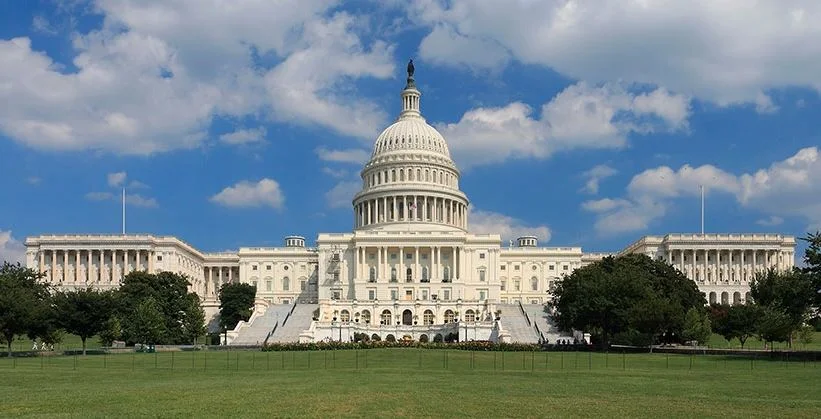
On November 9, intense negotiations took place in Capitol H-127, a secure SCIF-grade chamber. Key participants included Senate Majority Leader Thune, Senate Minority Leader Schumer, Budget Chair Lindsey Graham, Appropriations Chair Patty Murray, and senior staff. Negotiators fueled themselves with pizza and Diet Caffeine-Free Coke while working long hours.
Offers and Counteroffers
Thune initially proposed a 90-day CR with a sidecar ACA vote requiring 60 votes but not automatic approval. Schumer countered with a 60-day CR, ACA extension through September 2026, and $10 billion in disaster relief for Hurricane Helene. Graham suggested a one-year CR with a 1% across-the-board cut, which Murray dismissed as unworkable.
The Breakthrough
The breakthrough came at 8:15 p.m. when Thune detached the ACA vote from the CR but guaranteed a floor vote before December 20. Staff began drafting the final 68-page bill at 9:00 p.m., finishing at 3:06 a.m.
Agency-by-Agency Scorecard
Social Security Administration
The Social Security Administration continued paying 98% of its staff, but it postponed 54,000 disability hearings, which increased the average wait time for applicants from 506 days to 547 days.
National Parks
National Parks lost $1.2 billion in visitor spending. Trails and facilities were damaged, with 734 miles of trails impacted and 1,900 illegal off-roading incidents reported.
IRS
The IRS faced a backlog of 800,000 paper returns, delaying some refunds until April 2026. Twelve thousand high-income audits were paused, putting $1.9 billion in revenue at risk.
Environmental Protection Agency
EPA suspended 34 Superfund clean-ups. In East Chicago, Indiana, lead-soil removal was halted, leaving 270 families in temporary housing for six additional weeks.
Federal Courts
The courts postponed civil trials nationwide, and the Eastern District of Texas estimated a 14-month delay for patent cases. Furloughs forced federal defenders and contractors to miss statutory deadlines in three Arizona capital cases.
NASA
NASA furloughed 4,500 engineers at the Johnson Space Center, delaying final software verification for the Orion life-support system. The Psyche asteroid probe team missed a critical launch-window simulation, shrinking the launch margin from 25 days to 11, though the mission remains planned for July 2026.
Looking Ahead: January 30, 2026
Congress faces multiple possible scenarios. A full-year omnibus has only a 25% probability due to disagreements over top-line numbers. Another long CR could extend funding to September 30, 2026, but risks leaving critical programs unfunded. A “mini-bus” approach tied to economic performance could leave other programs on autopilot. A second shutdown remains possible if partisan demands collide again, this time during the tax-filing season. Partial funding and emergency executive measures remain additional potential outcomes.
Political Fallout
Presidential Approval
Trump’s approval rating dropped to 38% in Gallup’s December 5 survey, with 57% disapproving. Independents largely blamed Republican chaos (52%) over Democratic obstruction (31%).
Congressional and Primary Impacts
Democrats hold a +5 advantage in the generic congressional ballot. Primary challenges are emerging, with the Club for Growth targeting House Republicans who supported the CR and the Freedom Caucus formalizing rules against members voting for CRs without significant spending cuts.
Governor Races
Governor races in Pennsylvania and Michigan are showing the political impact. In Pennsylvania, Josh Shapiro leads the generic Republican candidate 52-38 after deploying the National Guard to staff airport towers. In Michigan, voters are split on GOP messaging linking the shutdown to “D.C. dysfunction.”
Key Takeaways for Americans
Federal Employees
Federal employees should keep at least three months’ expenses in the TSP G-fund and donate annual leave to support furloughed colleagues in maintaining partial pay. They should also set aside six weeks of emergency funds to prepare for potential disruptions in January 2026.
Contractors
Contractors should negotiate “stop-work” clauses guaranteeing 75% salary continuation and ensure contracts include back-pay protections.
Taxpayers
Electronic filing is critical, as e-filed returns are prioritized if another shutdown occurs. Refund delay insurance from providers like TurboTax and H&R Block may provide a short-term financial cushion.
Safety-Net Families
SNAP participants should stockpile two weeks of non-perishable food. WIC participants can use the WICShopper app to locate alternative vendors. Local food banks or community programs may provide additional support.
Investors
Defense and aerospace stocks historically exhibit high sensitivity during shutdowns. Diversification and monitoring key dates such as January 30, 2026, are essential to mitigate potential market disruption.
Conclusion
The 2025 shutdown ended with a signature and a sigh of relief, yet the underlying structural fissures remain. The same factions remain in Congress and media, ready for another confrontation. The only change is the calendar date, and the depleted savings of 1.4 million federal workers serve as a stark reminder of the fragility of the system. If Congress does not reach a compromise before January 30, the longest shutdown in U.S. history may mark only the first half of a double feature, with the sequel hitting just in time for tax season.