What Does the Wolf Moon and Flower Moon Symbolize A Complete Guide
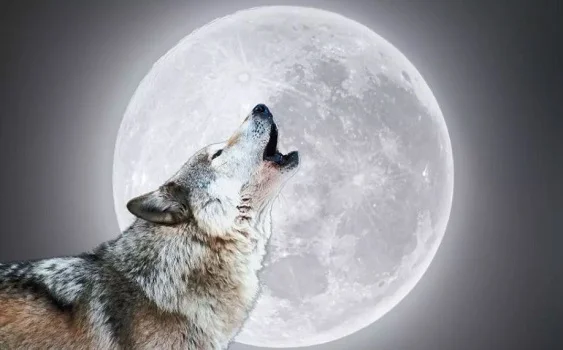
The Wolf Moon is the traditional name given to the January full moon. This name comes from historical observations made by Indigenous tribes in North America and early European settlers, who noticed increased wolf activity during the coldest months of winter. As food became scarce, wolves were often heard howling near human settlements, creating a lasting association between the season and the lunar phase.
From an astronomical perspective, the Wolf Moon is no different from any other full moon. However, its cultural and symbolic significance has been passed down through generations, making it one of the most widely recognized moon names in lunar folklore.
Historical Origins of the Wolf Moon Name
The term “Wolf Moon” is commonly attributed to Native American seasonal naming systems, which assigned descriptive names to each full moon to reflect natural events and environmental changes. Similar naming traditions existed in Anglo Saxon and Celtic cultures, reinforcing the idea that lunar cycles played an essential role in early agricultural and survival based societies.
Historical records show that wolves were not howling at the moon itself, but rather communicating with their pack during long winter nights. Over time, this behavior became symbolically linked to the January full moon.
Symbolic Meaning of the Wolf Moon
The Wolf Moon symbolizes survival, resilience, and instinctual strength. January represents a period of stillness and endurance, where life continues despite harsh conditions. Wolves, known for their intelligence and cooperation, reflect the need to rely on both inner strength and collective support.
On a personal level, the Wolf Moon encourages self reflection and emotional awareness. As the first full moon of the year, it aligns naturally with setting intentions, reassessing goals, and confronting unresolved emotions. Many spiritual traditions view this moon as a moment to reconnect with intuition and reclaim personal authenticity.
Spiritual and Emotional Themes of the Wolf Moon
Spiritually, the Wolf Moon is associated with heightened awareness and inner clarity. The quiet energy of winter mirrors the opportunity to slow down and listen inward. Emotional themes often linked to this moon include healing, grounding, protection, and personal truth.
The Wolf Moon also represents loyalty and community. Wolves survive through strong social bonds, reminding individuals of the importance of meaningful relationships and mutual trust during challenging times.
Myths and Folklore Associated With the Wolf Moon
Throughout history, the Wolf Moon has inspired powerful myths and legends. In some Indigenous traditions, wolves were viewed as spiritual guides and protectors, symbolizing wisdom and intuition. In European folklore, wolves were often portrayed as guardians of hidden knowledge or omens of transformation.
While myths sometimes painted wolves as dangerous creatures, many stories emphasized respect rather than fear. The Wolf Moon became a symbol of confronting the unknown, embracing personal power, and recognizing the thin boundary between civilization and the wild.
Scientific Perspective on Full Moon Naming Traditions
From a scientific standpoint, the Wolf Moon and Flower Moon are standard full moons that occur when the Moon is positioned opposite the Sun, allowing its surface to be fully illuminated from Earth. Astronomers clarify that lunar names do not affect the Moon’s physical properties or behavior. However, these names serve as valuable historical records of how early civilizations tracked time, seasons, and environmental changes.
Lunar naming systems helped communities predict weather patterns, farming cycles, and animal behavior long before modern calendars existed. This connection between astronomy and ecology highlights how human survival once depended on careful observation of natural rhythms.
Flower Moon Meaning and Symbolism
The Flower Moon is the name given to the May full moon, a period when flowers bloom abundantly across the Northern Hemisphere. Unlike winter moons that emphasize endurance, the Flower Moon celebrates life, beauty, and visible growth in nature.
This name originates from Native American lunar calendars, which closely observed seasonal changes and plant cycles. May was a time of renewal, fertility, and preparation for future harvests, making the Flower Moon a powerful symbol of abundance.
Cultural Significance of the Flower Moon
Across cultures, the Flower Moon marked an important agricultural transition. Crops were growing, pollination was active, and the land was visibly alive. Some European traditions also referred to this moon as the Corn Planting Moon or Milk Moon, highlighting its connection to nourishment and sustenance.
These cultural references reinforce the Flower Moon’s association with growth, creativity, and emotional openness.
Symbolic Meaning of the Flower Moon
The Flower Moon symbolizes renewal, prosperity, and personal expansion. It represents a stage where intentions set earlier in the year begin to manifest. Emotionally, this moon is linked to joy, gratitude, and deeper connections with others.
Spiritually, the Flower Moon encourages nurturing what has been planted, whether that involves relationships, personal goals, or creative projects. It is a reminder that growth requires patience, care, and consistency.
Folklore and Legends Surrounding the Flower Moon
The Flower Moon is closely linked with fertility myths, renewal ceremonies, and celebrations of life. Ancient cultures often held seasonal festivals during this time to honor earth deities, agricultural abundance, and the balance between humans and nature.
In folklore, blooming flowers under a full moon were believed to carry special energy, symbolizing harmony, love, and prosperity. These traditions reinforced gratitude for nature’s generosity and the importance of living in alignment with seasonal cycles.
Spiritual Practices Linked to the Flower Moon
The Flower Moon is often celebrated through gratitude rituals, creative expression, and social connection. Common practices include affirmations, nature walks, and ceremonies focused on growth and appreciation. This moon phase supports emotional openness and encourages nurturing both personal ambitions and relationships.
Spiritually, the Flower Moon is seen as a reminder to celebrate progress, no matter how small, and to remain open to opportunities that align with personal values.
Wolf Moon vs Flower Moon Symbolic Comparison
The Wolf Moon and Flower Moon represent two opposite yet complementary phases of the natural cycle. The Wolf Moon reflects introspection, survival, and endurance during darkness and cold. In contrast, the Flower Moon represents visibility, abundance, and emotional warmth.
Together, they illustrate the balance between inner work and outward expression. One prepares the foundation, while the other celebrates the results.
Life Lessons From the Lunar Cycle
When viewed symbolically, the transition from the Wolf Moon to the Flower Moon mirrors the human journey. Periods of challenge and self discovery often precede times of success and fulfillment. Understanding these lunar symbols provides deeper insight into emotional resilience and long term growth.
Psychological Interpretation of Lunar Symbolism
From a psychological perspective, lunar symbolism reflects human emotional cycles rather than lunar influence itself. The Wolf Moon aligns with introspection and self examination, which naturally occurs during quieter winter months. The Flower Moon corresponds with increased energy, optimism, and social engagement commonly experienced during spring.
These symbolic associations help individuals process emotions, set goals, and find meaning in seasonal transitions, reinforcing mental well being and emotional awareness.
Modern Cultural Relevance of Wolf and Flower Moons
In contemporary culture, the Wolf Moon and Flower Moon continue to appear in literature, media, and wellness practices. Social media, astrology apps, and mindfulness communities frequently reference these moons as moments for reflection or celebration.
Their continued relevance demonstrates humanity’s enduring connection to nature, even in a technologically driven world. Lunar symbolism provides a shared language for expressing transformation, resilience, and renewal.
Why Lunar Symbolism Still Matters Today
Despite modern lifestyles, lunar symbolism continues to influence spiritual practices, wellness routines, and cultural storytelling. The Wolf Moon and Flower Moon remain relevant because they reflect universal human experiences such as struggle, hope, renewal, and achievement.
By understanding these moon phases, individuals can align more intentionally with natural rhythms, gaining clarity and perspective throughout the year.