Leonid Meteor Shower Tonight Exact Time and Sky Directions
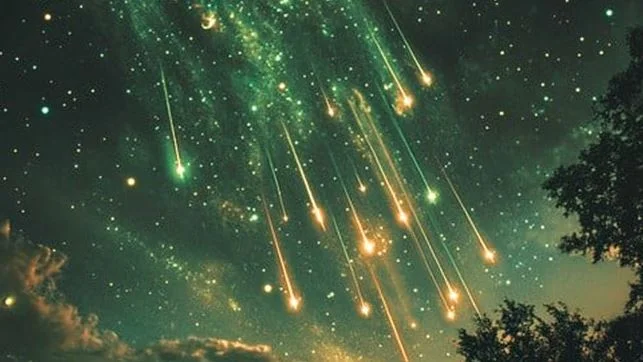
Every November, the night sky is graced with one of the most dramatic meteor showers: the Leonids. Known for their fast-moving and brilliant meteors, the Leonids offer stargazers an unforgettable glimpse of cosmic debris burning up in Earth’s atmosphere. This annual display is caused by Comet 55P/Tempel-Tuttle, which orbits the Sun roughly every thirty-three years, leaving behind trails of dust and particles. As Earth passes through this debris, these tiny fragments enter the atmosphere at nearly seventy kilometers per second, producing fiery streaks that illuminate the night sky.
Origins of the Leonid Meteor Shower
The Leonids owe their existence to Comet Tempel-Tuttle, which sheds a stream of dust along its orbital path. When Earth intersects this trail, meteoroids collide with the upper atmosphere, creating bright flashes of light that can last several seconds. The shower is typically active from early November through the beginning of December, with peak activity around the middle of November. In 2025, the peak is expected during the night of November 16–17, providing stargazers a prime opportunity to witness this celestial event.
When and Where to Watch Leonid meteor shower
The best viewing times for the Leonids are generally after midnight until the first light of dawn. During these hours, the radiant — the point in the sky from which the meteors appear to originate — rises higher, improving visibility. Allowing the eyes at least twenty to thirty minutes to adapt to the dark significantly enhances the experience, revealing even faint meteors that might otherwise go unnoticed.
The radiant is located in the constellation Leo, particularly in the Sickle asterism that forms the lion’s head and mane. While it is tempting to focus directly on Leo, the most dramatic views are often found by looking slightly away from the radiant. This perspective allows the meteors’ trails to stretch across a broader portion of the sky, creating a truly immersive spectacle. Observers are encouraged to recline on a blanket or chair, face upward, and take in as much of the night sky as possible.
What Time the Leonid Meteor Shower Is Tonight
On peak night, the most active window for watching the Leonids is from after 1:00 AM until dawn. Those who begin observing earlier may see fewer meteors because Leo has not yet risen high enough. As the constellation climbs higher, the number of visible meteors increases steadily.
If clouds or fog interfere with the peak hours, it is still possible to catch activity in the nights before and after November 16 to 17. The Leonids remain active for several days on either side of the peak, though with reduced meteor rates.
Viewing the Leonids Across the United States
Boston, Massachusetts
In Boston, city lights can interfere with meteor visibility, reducing the number of meteors seen per hour. For the best experience, it is advisable to travel to suburban or rural locations such as the Blue Hills Reservation or the Concord areas where darkness allows the brightest streaks to appear. The peak viewing window in Boston will be from 1:30 AM to 5:00 AM on the night of November 16 to 17. November nights in Boston are long and cold, but the crisp air often produces clear views of the sky, making the sacrifice of warmth worthwhile.
Denver, Colorado
Denver offers higher elevation and generally clear skies, which can enhance the visual impact of the Leonids. The thin, dry air amplifies the sharpness and brightness of the meteors. Due to Denver’s mountain horizon, the radiant rises slightly later, making the period between 2:00 AM and dawn the most rewarding. Despite the cold November temperatures, viewers often enjoy clearer skies than in many other regions, allowing the meteors to appear as bright, high speed flashes cutting across the darkness.
Tampa, Florida
Tampa’s location in the humid Southeast introduces the possibility of haze or clouds, which may limit visibility. However, coastal areas, beachfronts, and parks away from city lights offer excellent vantage points. Milder November temperatures make outdoor viewing far more comfortable compared to northern states. The peak viewing hours in Tampa range from 1:00 AM to 4:30 AM, when Leo rises highest and the sky is moderately clear. Observers near the Gulf Coast may even enjoy reflections of brighter meteors shimmering over the water.
Texas
Texas presents a variety of viewing conditions due to its size. Urban centers such as Houston and Dallas experience high light pollution, which reduces the number of visible meteors. In contrast, rural areas and state parks in West Texas, including Big Bend National Park, boast some of the darkest skies in the United States, making them ideal for watching the Leonids. Throughout Texas, the best viewing period is generally 1:00 AM to 5:00 AM, when the radiant is well above the horizon. Under dark West Texas skies, observers may witness a significantly higher number of meteors per hour.
What Part of the Sky the Leonids Appear In
The Leonids radiate from the constellation Leo, which rises in the east after midnight. The Sickle of Leo, which resembles a backward question mark, helps observers identify the radiant’s position. However, focusing directly on the radiant is unnecessary because meteors closer to the radiant have shorter trails. The most dramatic meteors often streak across areas farther away from Leo, stretching long, bright lines across the sky.
What to Expect from the Leonid Meteor Shower
Leonid meteors are among the fastest in the sky, often producing vivid trails that appear almost electric in their intensity. In addition to the steady appearance of meteors, observers may see bright fireballs or even Earth grazers, which move slowly and leave exceptionally long trails. In optimal dark sky conditions, stargazers can typically see around ten to fifteen meteors per hour during peak activity.
Historically, the Leonids have produced extraordinary meteor storms when Earth crosses dense streams of debris left by Comet Tempel Tuttle. Famous storms in the nineteenth and twentieth centuries produced thousands of meteors per hour, creating an overwhelming rain of light that left a permanent mark on astronomical history.
Tips for an Optimal Viewing Experience
For the best Leonid experience, finding a dark location away from city lights is crucial. Observers should dress warmly, especially in northern regions, and bring blankets or reclining chairs for comfort. Eyes need time to adjust to darkness, and bright light sources such as phones or flashlights should be avoided to preserve night vision. While locating Leo can help orient the sky, it is not necessary to stare directly at the constellation. Using star-mapping apps can provide additional guidance for the radiant’s location and optimal viewing angles.
Conclusion
The Leonid meteor shower is more than a simple display of shooting stars; it is a connection to the broader universe, a reminder of the dynamic celestial environment surrounding Earth. Whether observing from Boston, Denver, Tampa, or Texas, the experience of lying under the night sky, watching meteors streak across, is both humbling and exhilarating. With proper preparation, patience, and a clear sky, the Leonids offer a spectacle that transforms any ordinary night into a celebration of the cosmos.